
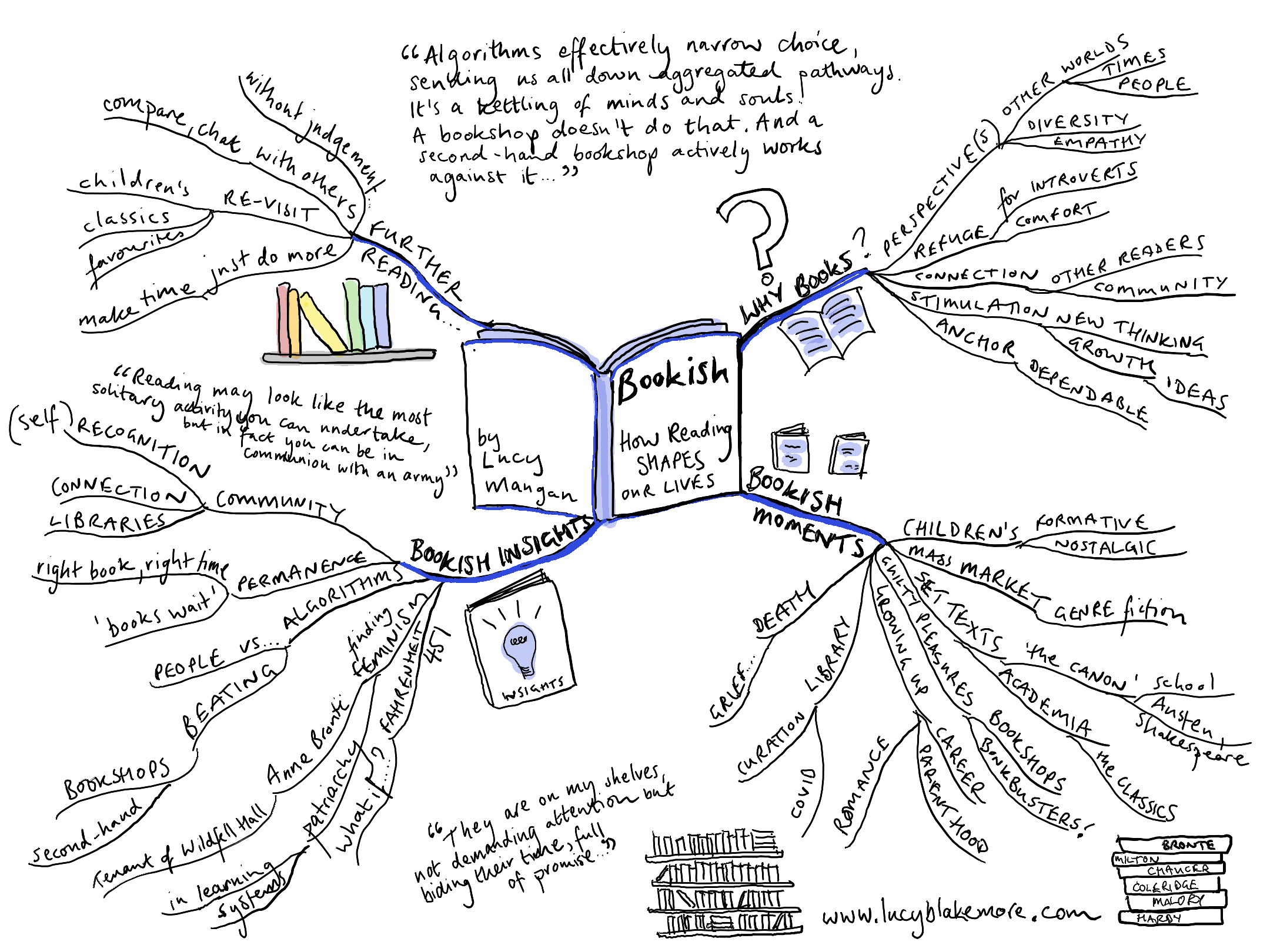
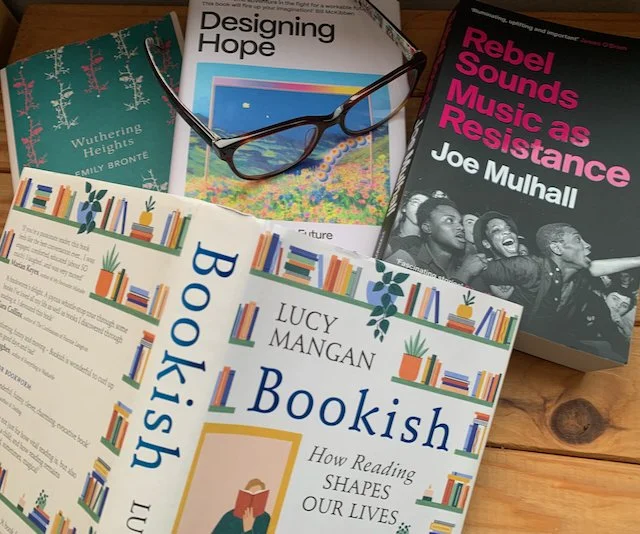
“If we stop reading, if we stop putting ourselves in other people’s shoes, if we stop considering their situations, relationships, reactions, choices and morals, if we stop exercising ourselves imaginatively, if we stop asking ourselves, ‘What if…?’ and ‘What would I…?’, then we cut ourselves off from inward avenues of growth, exploration, adventure - and at a time when the outer world may be shutting itself down too.” (Bookish, by Lucy Mangan)
Reading for insights
Replace the word ‘reading’ with ‘listening’ in the quote above, and it’s clear why Lucy Mangan’s ‘Bookish’ had me hooked during a cold Christmas break in the UK. Researchers rarely tire of hearing about people’s ‘situations, relationships, reactions, choices and morals’; it’s our job to ‘read’ people during interviews, groups and observations, and to consider what their stories might mean for the client and context we’re working with.
In research, an open mind is crucial if we want to surface less obvious insights – unexpected, subconscious behaviours that don’t show up in survey responses or through a quick chat with your AI ‘friend’. The author’s plea for curiosity about the human experience also feels more urgent in a world of polarised viewpoints and tinderbox geopolitics. Seeking alternative perspectives helps us to move beyond our individual bubble and connect to other people’s experiences, whether through books, research, or just a conversation with a neighbour.
Reading as connection
I’ve been bumping into this theme for a few months now: reading and books as connectors, gateways, points of refuge and recognition, especially for those who don’t feel they fit society's norms and expectations. In a recent project, one participant mentioned he was in a men's book club, which he explained was actually a 'trojan horse' for talking about all kinds of issues that the group would never have talked about otherwise. For the group, books had become a way of connecting with community. For this particular participant – a mature student from a rural town in Australia, and first in his family to attend university – this wasn’t just a nice hobby; these were the guys who shared their wisdom when he became a parent for the first time, and who continue to offer him a sense of inclusion and belonging.
Reading as defending democracy
On the long plane journey back from the UK after Christmas, I bumped into books again – this time in the form of Kim A. Snyder's 2025 film The Librarians. Having just finished ‘Bookish’ about 10 minutes before, this chilling documentary joined the reading-themed party with a reminder that book burning is not yet consigned to our fragile history books. Lucy Mangan had mentioned Ray Bradbury’s Fahrenheit 451 as ‘surely the bookworm’s most vital dystopian tale, set as it is in a future in which books are banned as sources of confusing and depressing thoughts for the populace’. Here we see fragments of that vision brought to life, as school librarians in the US are interrogated, persecuted, and forced to remove hundreds of 'banned' books from school shelves. Many lose their jobs when they ask why, or try to defend their work.
I can’t claim to be anything like the phenomenal librarians who put their livelihoods on the line to defend diversity, democracy, and the right for young people to find comfort, recognition and belonging in their community spaces. Human-centred research does have a role to play, however, in reminding organisations and institutions of the multitude of experiences that make up our population, and how we can design better systems that benefit everyone, not just those who fit the ‘norm’.
If you want to expand your thinking, ‘The Librarians’ and ‘Bookish’ are both great places to kick off your year. But I won’t be held responsible for any sudden urges to hug a librarian or wander into second-hand bookshops; if you happen to wander out with an armful of books you never knew you needed, count yourself lucky. Happy reading!