


Mind mapping in action
Month-end Mind Mapping Masterclass
Sharpen your pencil and your brain in this 1-hour online session. Usually scheduled around the last Friday of the month, this is a relaxed, small-group setting where you can choose to sit back and listen, or join in with your own questions and suggestions.
I'll be live mapping during the session, so you can see how a mind map comes together. We’ll focus on different mind maps in each session, from mapping books to making notes, project planning and personal reflection tools.
If there’s a session coming up, you can book in directly below.
How can I use mind maps at work?
I shared some insights recently on practical uses for mind mapping with goodhabitz online training. Here’s a snippet from our interview, with suggestions on using mind maps for planning, meetings, and group sessions in the workplace.
If you’d like to support your team’s big-picture thinking, creativity and mapping skills, get in touch for a chat about half-day workshops and other hands-on training, both remote and in-person.
Katie Byrne, Right Hand Band
“Lucy listened, questioned and prompted for information at the right times during our strategic planning session, surfacing our intentions and creating a visual map of priorities and objectives. Using this as a focal point, we were able to shape a framework for action across two new projects.”

What is a mind map?
Mind mapping was made popular by Tony Buzan in the 1970’s, but versions of this visual-verbal brain workout have been around forever. From cave paintings, hieroglyphics, and illustrated manuscripts, to spider maps, Ishikawa diagrams and visual storytelling - they all draw on similar principles to capture and communicate information.
To find out more about using mind mapping in your work or to book a workshop for your team, get in touch!
-
Mind mapping uses branches, hierarchies and visuals to identify and highlight key points. The central branches keep you focussed on the topic, without losing sight of details.
-
Link information and ideas to help you process and remember them, in a visual format that invites you back to explore and review.
-
Mind mapping encourages creativity and expansive thinking, which inspires others too. Find out what happens when you invite others into your thinking!
Mind mapping tip: Focus on process, not outcome
Visual media like graphic storytelling, sketchnotes and infographics tend to focus on the output of the thinking process. Mind mapping, on the other hand, emphasises the process itself: the analysis, thinking and editing that happens as you create your map.
I’ve used mind maps for study and professional work for over two decades; they’ve helped me scan and summarise books, revise for exams, prepare for interviews, analyse research data and capture conference notes, to name just a few.
What will you try mapping today?
-

Planning and organisation
Mind maps challenge you to prioritise and sort via the central branches, so they can be great for planning and organising. This could include:
Daily or weekly activity planning
Workshops and lesson plans
Projects and strategic planning
-

Learning and memory
Mind maps incorporate techniques associated with learning and remembering, including key words, connecting concepts, underlining, use of colour, and visuals. This means they’re handy for things like:
Note-taking for lectures, seminars and presentations
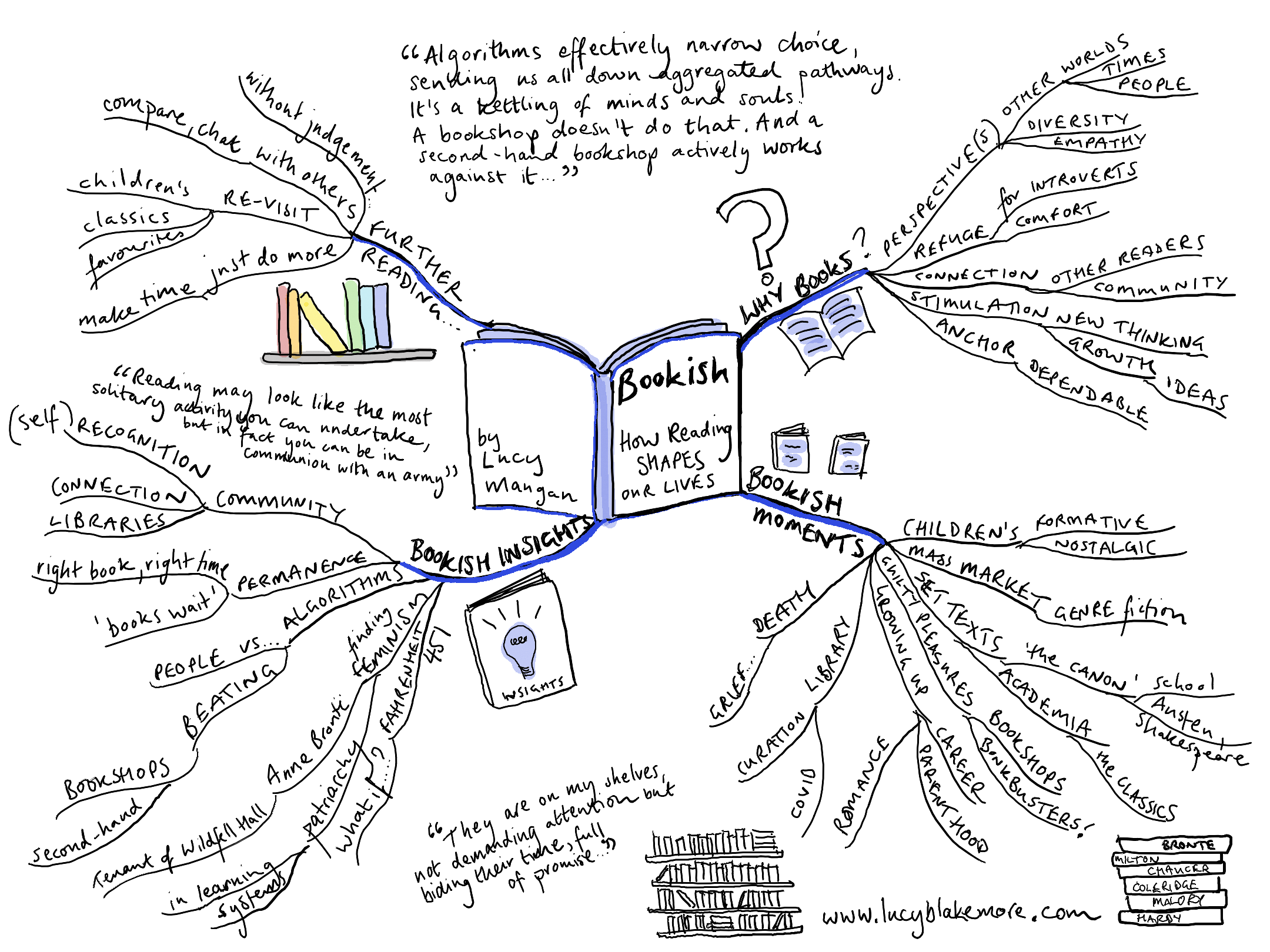
Summarising articles, journals and books
Revision for assignments and exams
-

Creativity and innovation
Mind maps can supercharge creative thinking, and are great for shifting writer’s block and generating ideas. I’ve used maps for things like:
Brainstorming creative projects
Design thinking and planning cycles
Organising ideas for writing articles, reports and presentations